
Condominium and Cooperative Law in North Carolina
Cooperatives and condominium developments are examples of arrangements known as "common interest communities."
This is a type of community in which the individual residents rent or own residential units in a building, or collection of buildings, but are collectively responsible for taking maintaining the common areas in their communities, such as lawns, gardens, swimming pools, and the like. This responsibility is usually taken care of by charging the residents a periodic maintenance fee, to pay for the upkeep of the common areas.
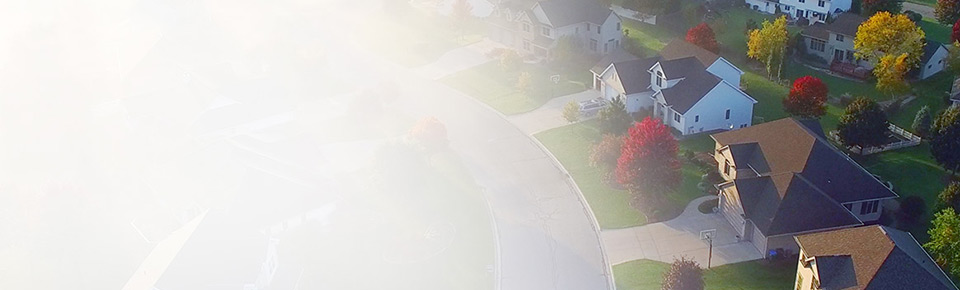
Merely viewing one of these communities from the outside (or inside) will not let you know whether it's a cooperative or condominium community.
This is because there are no physical characteristics that can clearly distinguish one from the other. The basic difference lies in the legal ownership arrangement. In a condominium community, the units are actually owned by the residents. The residents also collectively own the common areas, holding joint title to it. In a cooperative community, the buildings and land which make up the houses are owned by a single entity, and the individual units are often rented rather than owned by the residents.
Laws and Regulations Concerning Common Interest Communities in Goldsboro, North Carolina
There are a large number of laws in Goldsboro, North Carolina that can affect condominiums and cooperatives, but few, if any, of them are unique to such common-interest communities. Instead, they're mostly governed by laws of general application, covering zoning, contracts, and landlord/tenant relations.
The daily lives of residents, and what they are and aren't allowed to do in their residences, will be far more heavily impacted by rules and regulations that the homeowner's association, or the owner of the land, has imposed.
The land that common interest communities occupy is usually private property. Therefore, the owners of the property are free to make certain rules governing what is and isn't allowed on it. A good manager or owner will usually make every effort to strike a balance between residents' freedom to do what they want in their homes, and the rights of their neighbors to a safe, clean, and reasonably quiet living space.
This power, however, has limits. There are some rules which landowners cannot impose. Most obviously, they can't bar people from renting or buying units based on their race, religion, or national origin in Goldsboro, North Carolina. This conduct is illegal under state and federal law, and can result in severe civil penalties.
Can a Goldsboro, North Carolina Attorney Help?
If you have a problem with your landlord, your community association, or a neighbor (which the landlord is unwilling or unable to address), an experienced real estate attorney in Goldsboro, North Carolina will be able to help.